
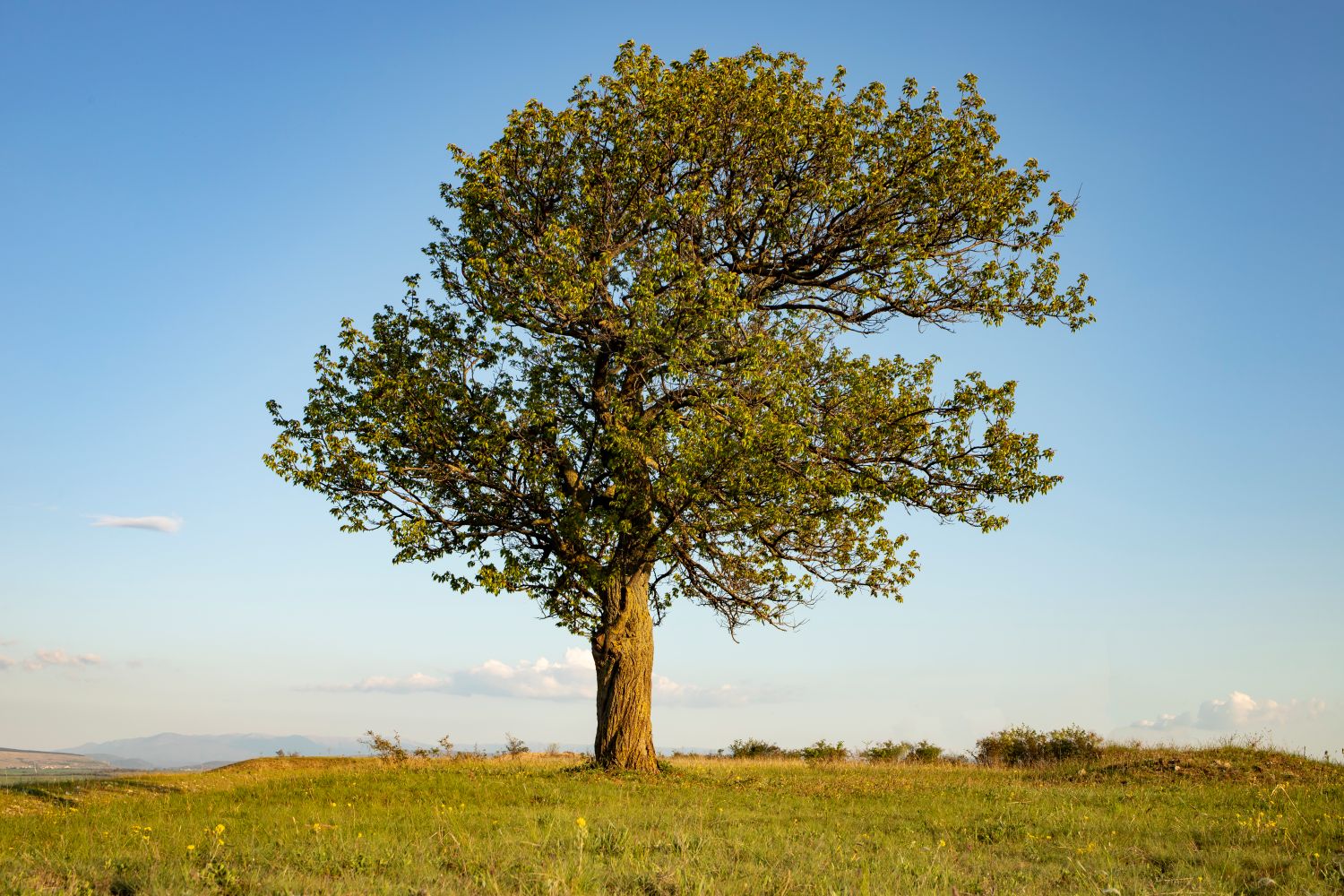
Trees are often celebrated for their aesthetic beauty and role in providing shade, but their environmental significance extends far beyond these visible benefits. One of the most critical contributions of trees is their ability to purify the air, making them vital allies in our fight against pollution and climate change. This article explores the air-purifying powers of trees, their environmental impact, and the importance of preserving and planting trees for a healthier planet.
1. How Trees Purify the Air
A. Absorption of Carbon Dioxide
Trees play a crucial role in carbon sequestration, absorbing carbon dioxide (CO2) from the atmosphere during photosynthesis. This process not only helps reduce greenhouse gas levels but also contributes to the production of oxygen, essential for all living beings.
B. Filtering Airborne Pollutants
Trees act as natural air filters, trapping airborne pollutants and particulate matter. They absorb harmful substances such as sulfur dioxide, ammonia, and nitrogen oxides, which are common in urban areas. The leaves, branches, and bark of trees can capture these pollutants, preventing them from entering the atmosphere.
C. Release of Oxygen
Through photosynthesis, trees convert CO2 into oxygen, releasing it back into the atmosphere. A mature tree can produce enough oxygen to support two human beings for a year. This oxygen production is vital for maintaining the balance of gases in our atmosphere and supporting life on Earth.
2. The Environmental Impact of Trees
A. Climate Regulation
Trees play a significant role in regulating the climate. By absorbing CO2 and releasing oxygen, they help mitigate the effects of climate change. Forested areas also influence local weather patterns, contributing to rainfall and temperature regulation.
B. Biodiversity Support
Trees provide habitat and food for a wide range of wildlife, supporting biodiversity. Forests are home to countless species, from birds and mammals to insects and plants. By preserving and planting trees, we contribute to the health of ecosystems and the survival of various species.
C. Soil Conservation
Tree roots help anchor the soil, preventing erosion and promoting soil health. They enhance soil quality by contributing organic matter through fallen leaves and decaying roots. Healthy soil supports plant growth and reduces the risk of landslides and flooding.
D. Water Cycle Enhancement
Trees play a vital role in the water cycle by absorbing and transpiring water. This process helps regulate groundwater levels and contributes to local humidity and precipitation patterns. Forested areas can improve water quality by filtering rainwater and reducing runoff.
3. The Social and Economic Benefits of Trees
A. Improved Air Quality
The air-purifying abilities of trees contribute to better air quality in urban areas, reducing respiratory issues and other health problems associated with pollution. Communities with abundant trees often experience lower rates of asthma and other respiratory conditions.
B. Aesthetic and Psychological Benefits
Trees enhance the beauty of neighborhoods, parks, and public spaces, providing a sense of tranquility and well-being. Studies have shown that spending time in green spaces can reduce stress, improve mood, and enhance overall mental health.
C. Economic Value
Trees can increase property values and attract tourism. Well-maintained parks and green spaces enhance the appeal of residential and commercial areas, contributing to economic growth and community development.
4. How to Support Tree Health and Growth
A. Planting Trees
Participate in tree-planting initiatives in your community. Choose native tree species that are well-adapted to your local environment, as they require less maintenance and provide better support for local wildlife.
B. Caring for Existing Trees
Support the health of existing trees by ensuring they receive proper care, including watering, mulching, and pruning. Educate yourself and others about the importance of trees in your area.
C. Advocate for Urban Forestry
Encourage local governments and organizations to invest in urban forestry programs. Support policies that promote tree planting, preservation, and maintenance to enhance urban green spaces.
Conclusion
The air-purifying powers of trees are essential for maintaining a healthy environment and combating climate change. By absorbing carbon dioxide, filtering pollutants, and supporting biodiversity, trees play a vital role in enhancing air quality and promoting ecological balance. Understanding the importance of trees and taking action to support their growth and preservation can lead to healthier communities and a more sustainable planet. Whether through individual efforts or community initiatives, embracing the benefits of trees is a crucial step toward a greener future.